
If you are booking a deep tissue massage for the first time, one of the most common questions is: “Will it be painful?”
It is a fair concern. Deep tissue massage is known for using firmer pressure than a normal relaxing massage, and it usually focuses on tight muscles, stiff areas and deeper layers of soft tissue. Because of that, first-timers may worry that the session will feel too intense.
The truth is, deep tissue massage can feel strong, but it should not feel unbearable. A good session is not about forcing you to tolerate pain. It should be adjusted according to your body condition, comfort level and the areas that need attention.
This guide explains what first-timers should expect, how to tell the difference between good pressure and bad pain, and when you should speak up during your deep tissue massage.
What Is Deep Tissue Massage?
Deep tissue massage is a massage technique that uses slower and firmer pressure to work on deeper layers of muscles and connective tissue. It is commonly chosen by people who experience muscle tightness, body stiffness, shoulder tension, back discomfort or general soreness from daily activity.
Unlike a light relaxing massage, deep tissue massage is more focused. The therapist may spend more time on specific areas such as the shoulders, neck, upper back, lower back, legs or other tight muscles.
Deep tissue massage is often suitable for people who prefer stronger pressure or who feel that a gentle massage is not enough to release their body tension. Malaysia Clinic describes deep tissue massage as one of the common massage techniques used in therapeutic massage, together with other techniques such as Swedish massage.
However, deep tissue massage does not mean the therapist should simply press as hard as possible. The pressure should still be controlled, professional and adjusted to your comfort level.
Is Deep Tissue Massage Supposed to Be Painful?
Deep tissue massage may feel firm, intense or slightly uncomfortable, especially if your muscles are very tight. But it should not feel sharp, unbearable, burning, numbing or frightening.
A useful way to understand the difference is this: Good pressure feels strong but manageable. You can still breathe normally, relax your body, and communicate with the therapist. On the other hand, bad pain feels too sharp, intense, or overwhelming, causing you to tense up, hold your breath, or feel uncomfortable and unsafe.
For first-timers, it is normal to feel some sensitivity in areas with long-term tension. For example, if you sit for long hours, your shoulders, neck and lower back may feel more tender during the session. If you exercise regularly, certain muscle groups may also feel tighter than expected.
But deep tissue massage should never feel like you are being forced to “ tahan pain ” throughout the session. If the pressure is too strong, you should tell the therapist immediately. A professional therapist should be able to adjust the pressure based on your feedback.
What First-Timers Should Expect During a Deep Tissue Massage
Knowing what happens before, during and after the session can help you feel more prepared, especially if it is your first deep tissue massage.
Before the Massage Starts
Before the session begins, the therapist may ask about your body condition and the areas you want to focus on. This is the right time to mention if you have:
- Shoulder or neck tension
- Lower back stiffness
- Muscle soreness from sports
- Sensitive areas
- Past injuries
- Any medical condition that may affect massage pressure
You can also let the therapist know that it is your first time trying deep tissue massage. This helps the therapist start with a more moderate pressure instead of going too firm too quickly.
During the Massage
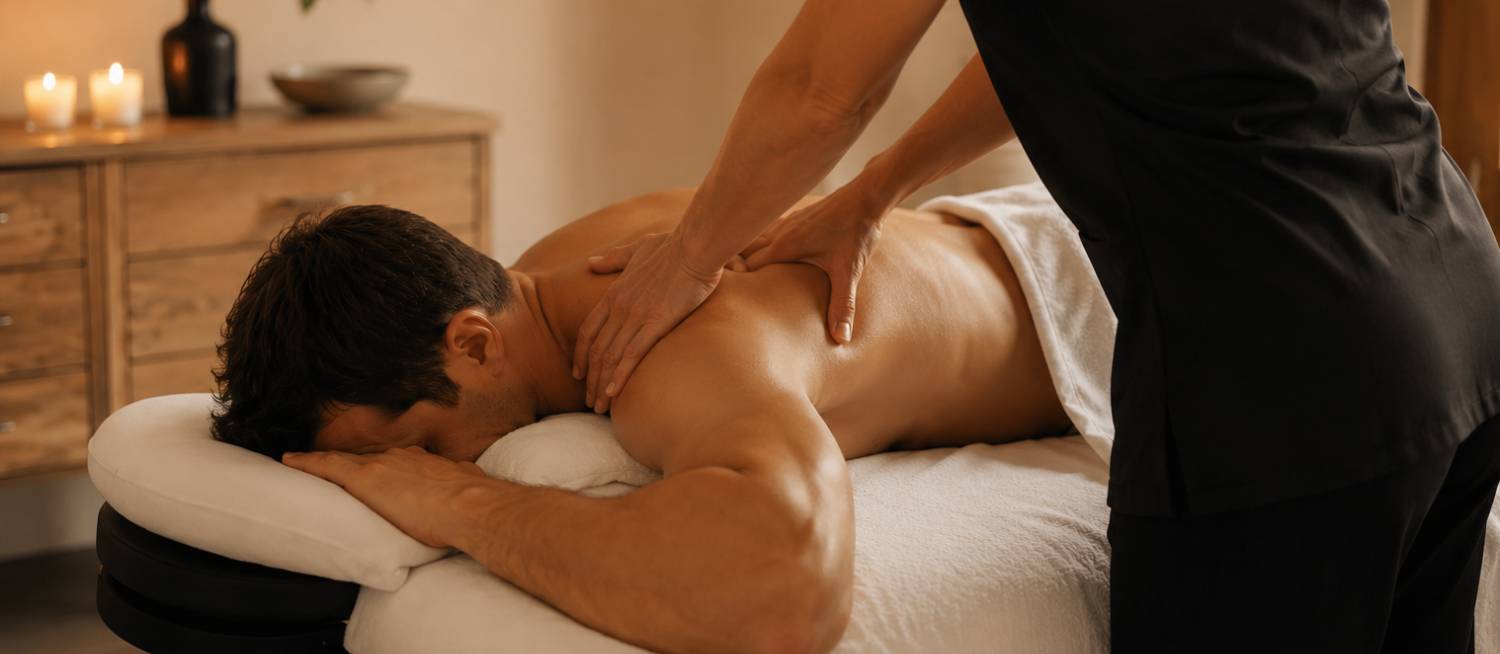
During a deep tissue massage, the pressure is usually slower and firmer compared to a relaxing massage. The therapist may spend more time on tight areas instead of moving quickly across the whole body.
Some areas may feel more intense, especially if there is muscle tightness or stiffness. You may feel pressure, stretching, tenderness or a “release” feeling when the therapist works on certain spots.
Deep tissue massage works best when your body can slowly relax into the pressure. If your body is fighting against the pressure, the session may become less effective and more uncomfortable.
After the Massage
After a deep tissue massage, it is possible to feel mild soreness or tenderness. This can happen because deeper pressure is applied to specific muscle groups. Some clinics note that deep tissue massage can lead to more soreness because it works with deeper pressure on the muscles.
Some people feel lighter and more relaxed immediately after the session. Others may feel a little tired or sore for a short period before they feel better.
After the massage, you can:
- Drink water
- Sleep
- Avoid heavy workout immediately
- Do light stretching if comfortable
Deep Tissue Massage Pain vs Muscle Soreness: What Is Normal?
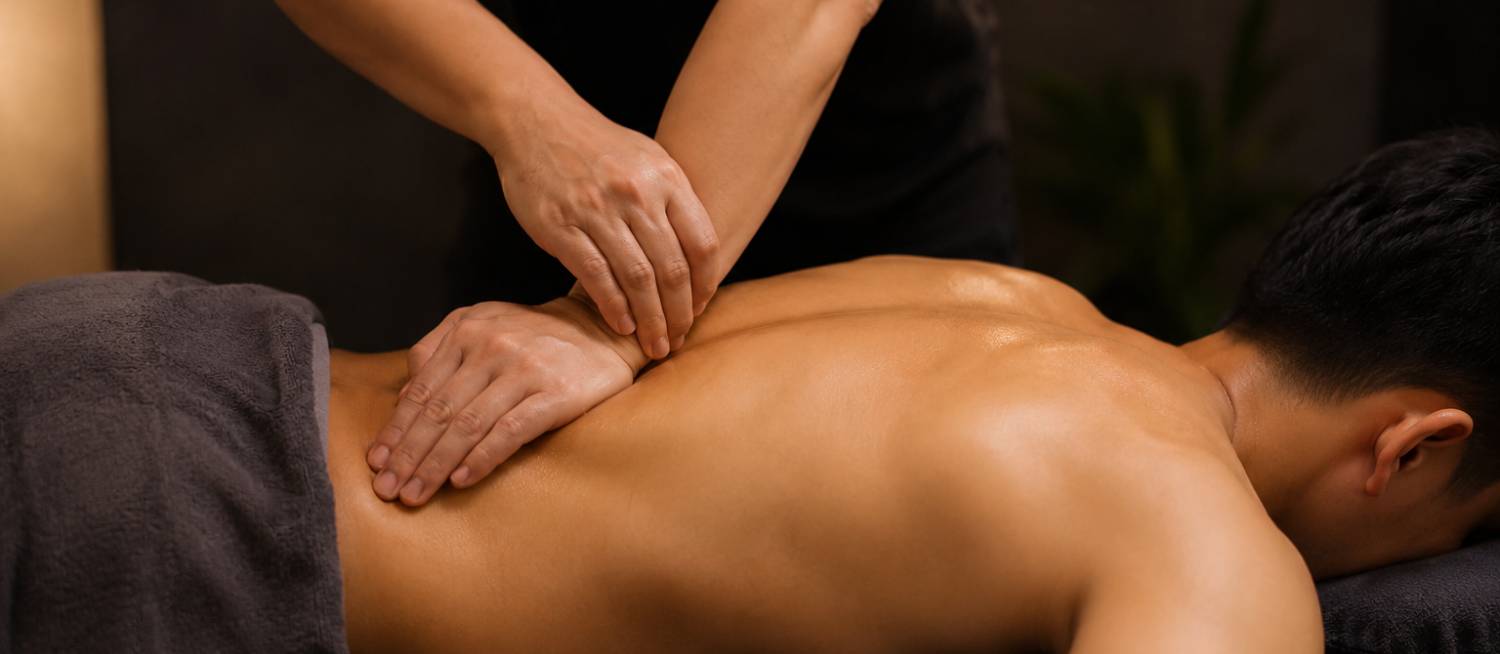
After a deep tissue massage, it is normal to feel mild soreness, tenderness, or slight tiredness, especially if the therapist worked on tight muscles. This usually feels similar to post-workout soreness and should improve within 1–2 days.
However, sharp pain, numbness, severe bruising, burning pain, or pain that gets worse over time is not normal. If this happens, it is best to stop massage sessions and seek medical advice.
Massage can be helpful for general wellness and body comfort, but it should not replace medical care. Some people with pre-existing medical conditions may not benefit from massage therapy, so it is important to be careful when health concerns are involved.
If you have ongoing pain, injury or symptoms that feel unusual, it is better to check with a qualified healthcare professional.
Who Should Be Careful with Deep Tissue Massage?
Deep tissue massage may not be suitable for everyone. Some people should be extra careful or speak to a healthcare professional before booking, especially if they have health conditions or recent injuries.
You should inform the therapist or seek medical advice first if you have:
- Recent injury
- Recent surgery
- Severe or unexplained pain
- Skin infection or open wound
- Serious back, neck or spine condition
- Blood clot risk or history of blood clots
- Severe swelling or inflammation
- Certain heart or circulation conditions
- Medical condition that affects bones, muscles or nerves
This is especially important for people with blood clot concerns. Deep vein thrombosis is a serious condition involving blood clots in deep veins, and Mayo Clinic lists risk factors and symptoms that should be assessed medically.
Deep tissue massage should be treated as a wellness and body relaxation service, not a medical treatment. If you are unsure whether massage is suitable for your condition, check with a qualified doctor or healthcare provider first.
FAQs About Deep Tissue Massage for First-Timers
Mild soreness after deep tissue massage can be normal, especially if the therapist worked on tight or stiff areas. This soreness should usually be temporary. If you feel sharp pain, numbness or discomfort that gets worse, it is better to seek medical advice.
Yes. You should always speak up if the pressure feels too strong. A good therapist will adjust the pressure based on your comfort level. Deep tissue massage should not be a session where you silently tolerate pain.
For many people, mild soreness may last around one to two days, depending on body condition and pressure level. If soreness is severe, lasts too long or becomes worse, it may not be normal and should be checked.
Yes, deep tissue massage may be suitable for office workers who experience neck, shoulder, upper back or lower back tension from long sitting hours. However, the pressure should still be adjusted based on the person’s comfort level and body condition.
The frequency depends on your lifestyle, body condition and comfort level. Some people book deep tissue massage occasionally when their body feels tight, while others prefer regular sessions for maintenance. If you have chronic pain or a medical condition, it is better to get advice from a healthcare professional before making massage a routine.
Choose deep tissue massage if you prefer firmer pressure and want to focus on muscle tightness or stiffness. Choose a relaxing massage if you prefer gentle pressure, stress relief and a calmer full-body experience. For first-timers, you can also start with medium pressure and adjust during the session.
Final Thoughts
Deep tissue massage can feel strong, but it should not feel painfully unbearable. For first-timers, the key is to understand the difference between firm pressure and real pain.
A good deep tissue massage should be adjusted to your comfort level, body condition and tension areas. You should be able to communicate openly with your therapist, especially if the pressure feels too strong.
If you are new to deep tissue massage, start with moderate pressure, listen to your body and choose a professional massage service that respects your comfort and safety. This will help you enjoy the benefits of deep tissue massage without unnecessary discomfort.
Book a Private Deep Tissue Massage in KL
New to deep tissue massage and not sure what pressure is suitable for you? Man To Man Massage KL provides private massage sessions for men in a comfortable setting, with pressure adjusted according to your comfort level and body condition.
Contact us today to book your deep tissue massage in KL.
 English
  Chinese