
If you often struggle with muscle tightness, back pain, or long-term body fatigue, you are not alone. Many people today are actively searching for natural and non-invasive ways to manage pain without relying heavily on medication. This is where cupping therapy has gained significant attention in both traditional and modern wellness practices.
Search terms like cupping therapy for back pain, cupping therapy benefits, and even “does cupping therapy work” have increased globally as more people look for alternative recovery treatments used by athletes, office workers, and physiotherapy clinics.
Cupping therapy is not a new trend. It has been used for thousands of years in Traditional Chinese Medicine (TCM) and other ancient healing systems. Today, it is widely adopted in sports recovery, physiotherapy, and wellness centres, and is commonly performed by trained therapists in wellness massage centres and rehabilitation clinics. It is valued for its potential to improve blood circulation, reduce muscle stiffness, and support the body’s natural healing process.
This article will explain in detail what cupping therapy is, how it works, the different types, benefits, risks, and what you should expect during a session.
What Is Cupping Therapy?
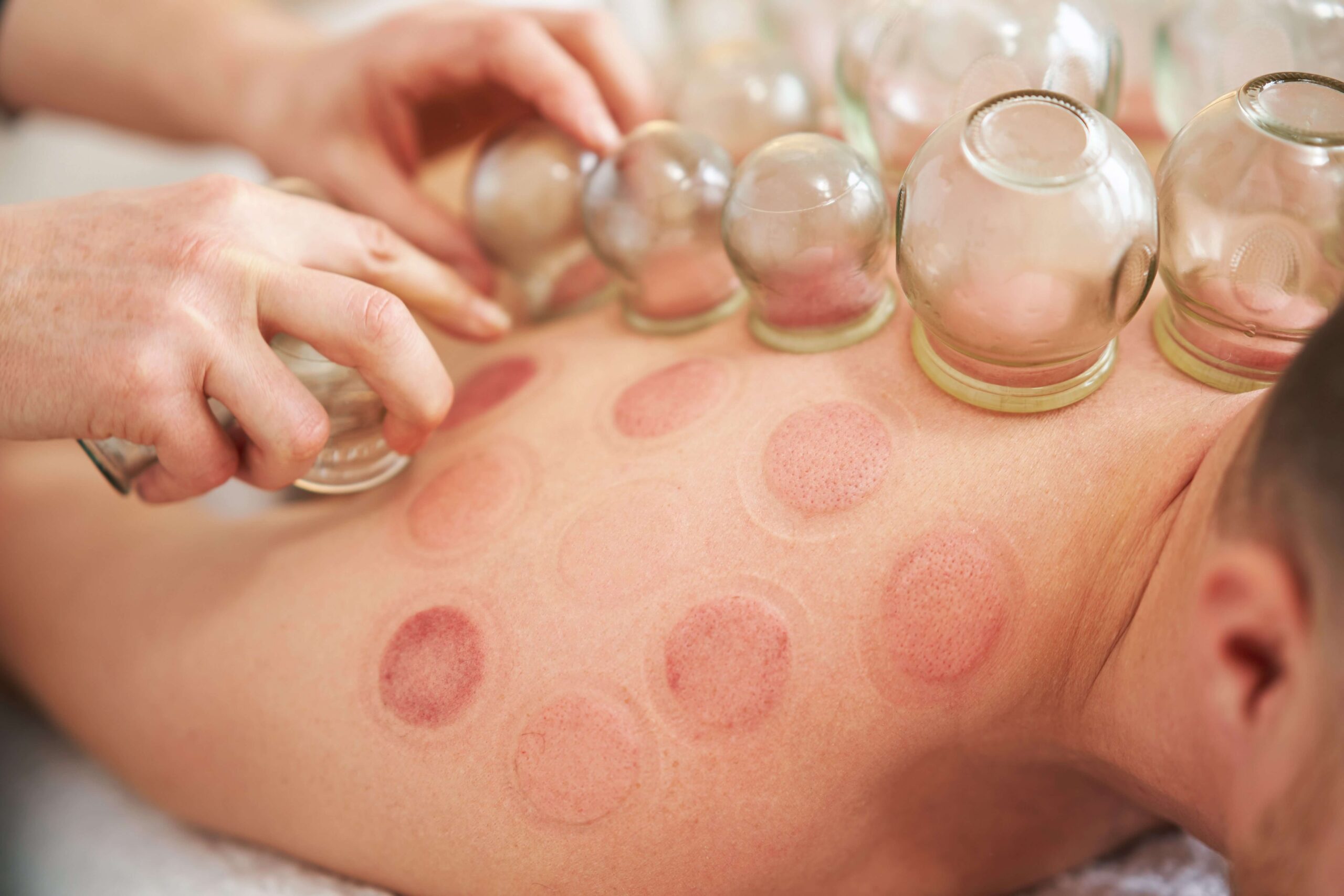
Cupping therapy is a therapeutic treatment that uses suction cups placed on specific areas of the body to create negative pressure on the skin. This suction gently lifts the skin and underlying tissues.
The main purpose of cupping therapy is to stimulate blood flow, loosen tight muscles, and encourage the body’s natural healing response.
It is commonly used in:
- cupping therapy for back pain relief
- cupping therapy for neck and shoulder pain
- muscle soreness after exercise
- sports recovery treatment
- chronic muscle tightness
- fatigue and stress relief
Many people also refer to it as Chinese cupping therapy, traditional cupping therapy, or vacuum therapy, although the traditional method remains the most widely recognized.
Unlike massage therapy that applies pressure downward, cupping therapy works by pulling the tissue upward. This difference in technique is what gives cupping its unique therapeutic effect.
How Does Cupping Therapy Work?
The science behind cupping therapy is based on suction and pressure changes on the skin and underlying tissues.
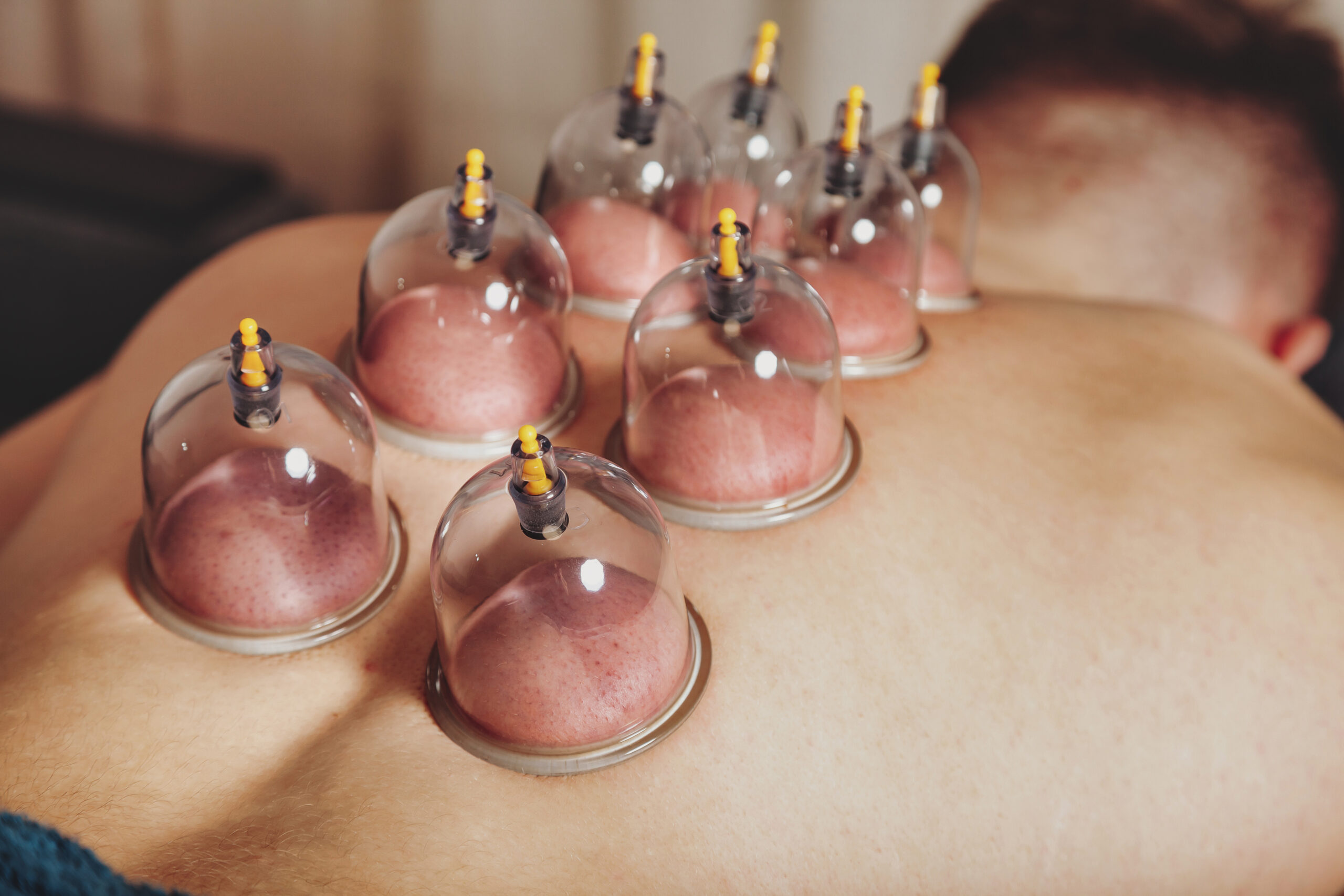
During treatment, cups are placed on the skin and air is removed either through heat or a mechanical pump. This creates a vacuum effect, pulling the skin upward into the cup.
The cups may stay in one position or be moved depending on the technique used. A typical session is relatively short and focuses on targeted areas of tension.
This suction effect gently stimulates the soft tissues underneath the skin, which is why it is often used for physical tightness and recovery support.
Types of Cupping Therapy
Cupping therapy comes in several different forms, and each method uses a slightly different technique to create suction and target the body in a specific way. The choice of method usually depends on the client’s condition, comfort level, and the approach of the male therapist.
1. Dry Cupping
Dry cupping is the most commonly used form of cupping therapy in Malaysia. Cups are placed on the skin to create suction without breaking the skin, making it a simple and non-invasive method.
It is mainly used to help relieve muscle tightness, improve local circulation, and ease general body stiffness. This method is often suitable for beginners or those trying cupping for the first time.
2. Moving Cupping
Moving cupping involves applying oil to the skin before placing the cups. The therapist then gently glides the cups across larger muscle areas such as the back or shoulders.
This creates a combination of suction and massage like movement, helping to release deeper muscle tension while also promoting relaxation across broader areas of the body.
3. Wet Cupping (Hijama)
Wet cupping, also known as Hijama, is a traditional method that involves light, controlled skin pricks before suction is applied. This technique is rooted in certain traditional healing practices.
It is performed in specific clinical settings and by trained practitioners due to its more intensive nature compared to other cupping methods.
4. Fire Cupping
Fire cupping is one of the oldest techniques, where heat is briefly used inside a glass cup to create suction. As the air cools, a vacuum forms and the cup attaches to the skin.
It is commonly used in traditional therapy settings for deeper muscle tension and long term stiffness, especially in areas that feel tight or restricted.
What Types of Cups Are Used in Cupping Therapy?
Different materials are used depending on the treatment style and massage center preference. While all cups work by creating suction, each type feels slightly different on the skin and is used for specific techniques.
Type of Cupping Cup | How It Works | Common Use | Benefits and Experience |
Glass Cups | Heat is used inside the cup to create a vacuum suction when placed on the skin | Fire cupping, traditional therapy, deep muscle tension relief | Strong suction effect, widely used in traditional cupping therapy for deeper tissue stimulation |
Silicone Cups | Flexible cups that create suction by squeezing and releasing onto the skin | Moving cupping, massage style therapy, full body relaxation | Gentle and adjustable pressure, ideal for gliding massage movements over larger muscle areas |
Plastic Cups with Pump | Air is removed using a manual or mechanical pump to control suction level | Physiotherapy, clinical cupping therapy, targeted treatment areas | Precise suction control, suitable for customised treatment based on muscle condition |
Bamboo Cups | Natural bamboo material heated to create traditional suction effect | Ancient traditional cupping practices, cultural therapy methods | Mild suction with a natural approach, less commonly used in modern clinical settings |
Benefits of Cupping Therapy
The benefits of cupping therapy are widely discussed in both traditional medicine and modern wellness research.
Common benefits include:
- Improved blood circulation
- Relief from muscle tightness
- Reduced back and neck pain
- Faster muscle recovery after exercise
- Stress and fatigue reduction
- Improved flexibility and mobility
Many users specifically search for cupping therapy benefits for back pain, as it is one of the most common reasons people try this treatment.
Some individuals also report better sleep quality and reduced physical fatigue after regular sessions, although results may vary from person to person.
Risks and Side Effects of Cupping Therapy
While cupping therapy is generally safe when performed by trained professionals, it is important that proper techniques, hygiene standards, and correct suction levels are followed. When done correctly, a few mild and temporary side effects may still occur.
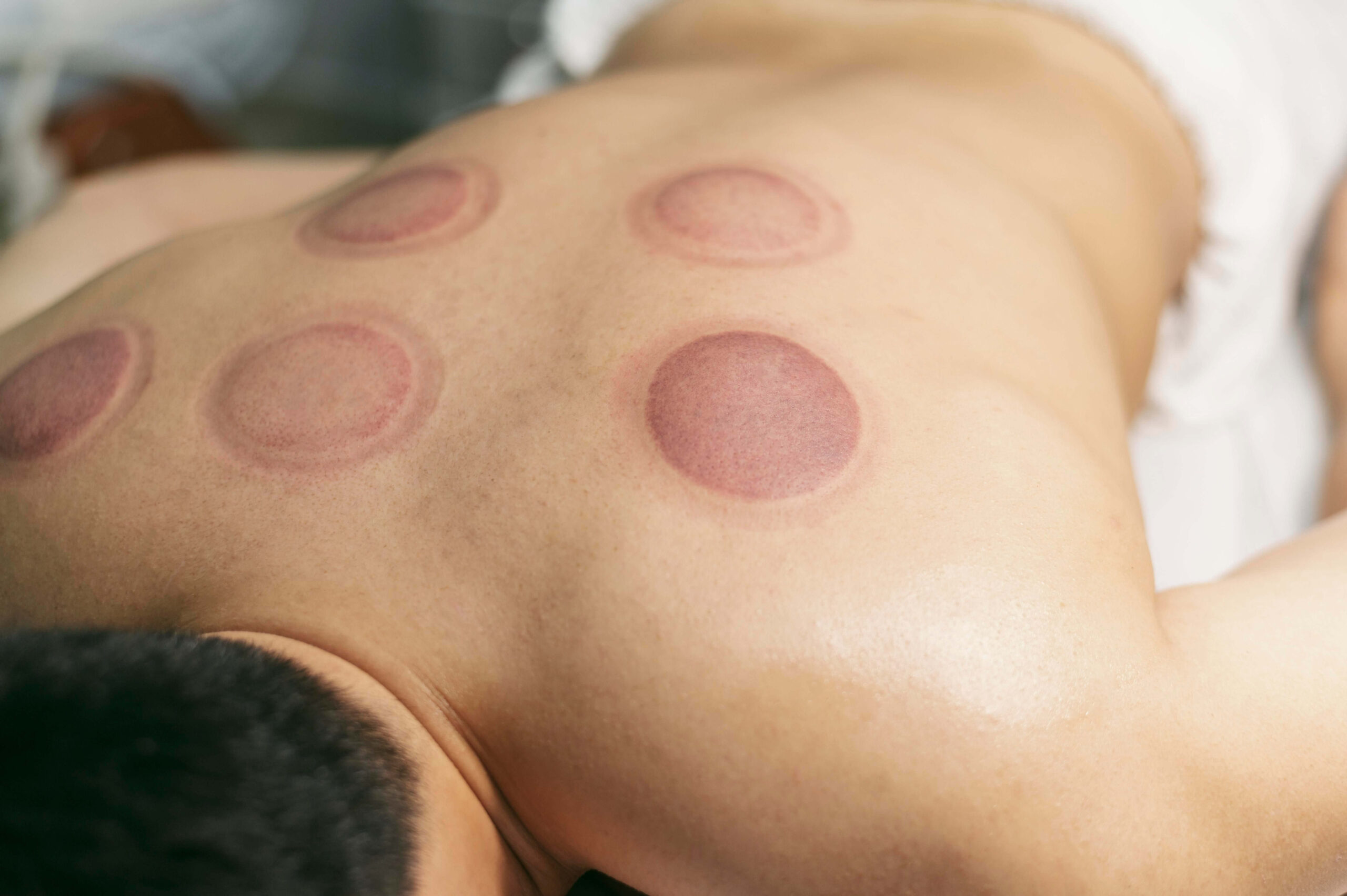
- Temporary circular marks on the skin
- Redness or mild bruising
- Slight soreness after treatment
What Happens During a Cupping Therapy Session at Man To Man Massage KL?
A typical cupping therapy session follows a structured process designed to target muscle tension and support relaxation. At Man To Man Massage KL, the session is tailored based on individual needs and areas of discomfort.
First, the therapist assesses your condition and identifies areas of tightness or pain. Cups are then placed on targeted areas such as the back, shoulders, or legs, depending on where relief is needed.
Suction is applied for several minutes based on the treatment goal. Some sessions use stationary cupping, while others may include moving cupping techniques for a broader muscle release.
After the session, the cups are gently removed and the skin is cleaned. Most people describe the experience as a strong pulling sensation rather than pain, followed by a feeling of looseness and relaxation in the treated areas.
Who Should Try Cupping Therapy?
Cupping therapy may be suitable for individuals who experience:
- Neck and shoulder stiffness from office work
- Lower back pain
- Muscle soreness from exercise
- Sports recovery needs
- General body fatigue and tension
It is commonly chosen by athletes, fitness enthusiasts, and individuals looking for natural support to help relieve muscle tightness and improve overall physical comfort.
Who Should Avoid Cupping Therapy?
Cupping therapy may not be suitable for everyone, so it is important to avoid the treatment or consult a qualified professional before starting if you have any of the following conditions:
- Pregnancy (certain body areas)
- Skin infections or open wounds
- Blood clotting disorders
- Use of blood-thinning medication
- Very sensitive skin conditions
Frequently Asked Questions (FAQs)
Yes, cupping therapy may help improve circulation, reduce muscle tension, and support recovery.
No, it is usually not painful. Most people feel a pulling sensation.
The marks are caused by suction bringing blood closer to the skin surface.
Typically between 3 to 7 days depending on skin sensitivity.
It is recommended to wait a few hours after treatment.
Most people undergo cupping therapy once every 1 to 2 weeks.
Yes, when performed by trained professionals, cupping therapy is generally safe.
Conclusion
Cupping therapy remains one of the most widely used natural treatments for muscle recovery, pain relief, and relaxation. Whether used for cupping therapy for back pain, sports recovery, or general wellness, it offers a non-invasive approach that focuses on improving circulation and reducing muscle tension.
As interest in holistic and alternative therapies continues to grow, cupping therapy has become an important part of both traditional healing systems and modern wellness practices.
If you are looking to experience cupping therapy in Malaysia, you may visit Man To Man Massage KL to consult a trained male therapist and find a suitable treatment based on your needs.
 English
  Chinese